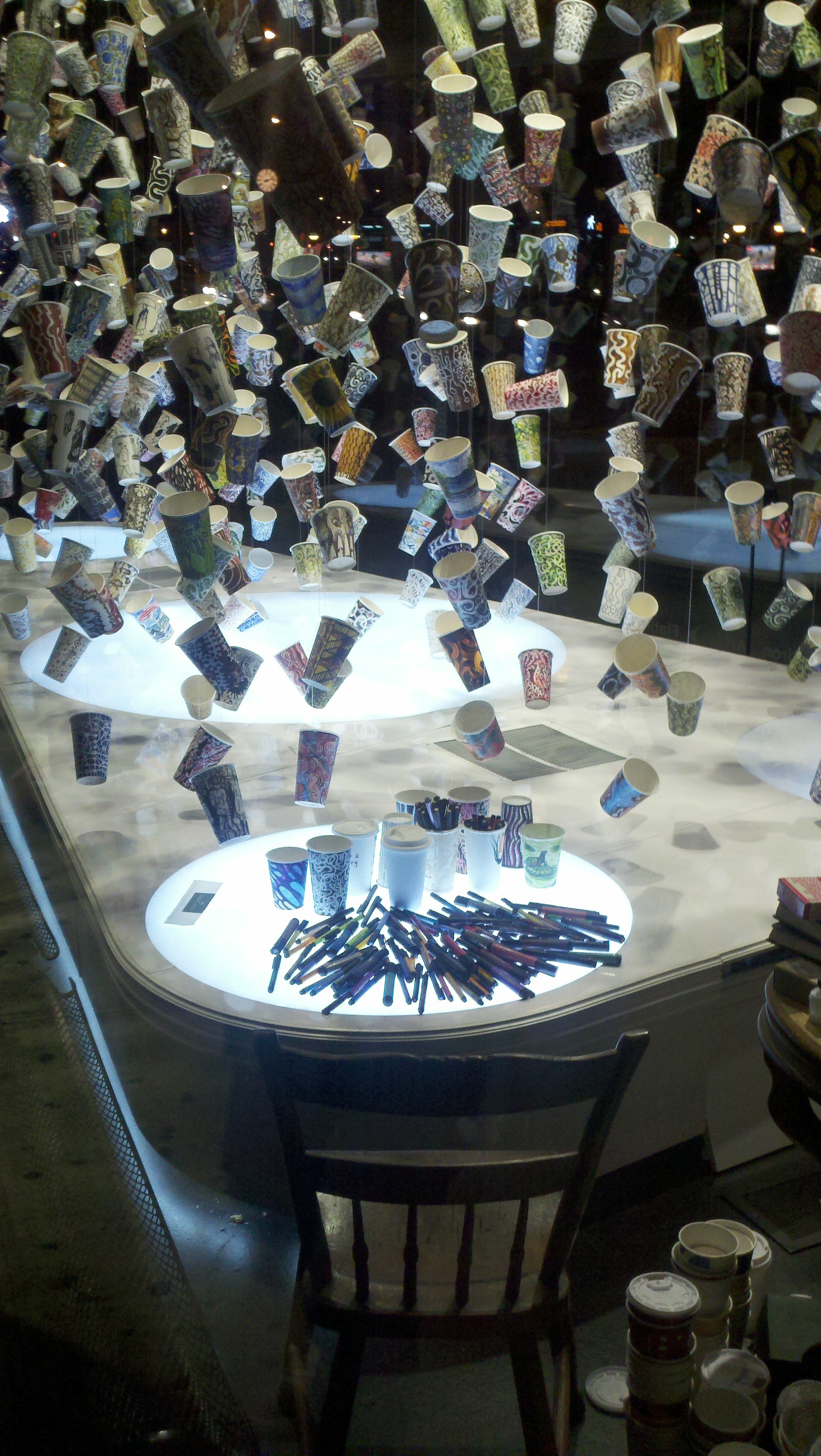
Tuesdays-Saturdays, 11am-2pm, artist Gwyneth Leech sits inside the glass walls of the Flatiron Prow Art Space drawing on used coffee cups. The other night, my friend Phillip and I went to see the film The Artist after which he walked me to the Subway stop just in front of the Flatiron Building. It seemed perfectly appropriate to stumble onto such a whimsical project after seeing such a whimsical film.
Photo taken by Phillip on his phone. Thanks, Phillip!
The best description of this project (as well as lots of great photos and descriptions of the artist’s other work) can be found on her blog, Gwyneth’s Full Brew in the form of this conversation with a passerby as she was outside wiping finger, nose and palmprints off the windows:
A man came up to me carrying his takeout coffee (small brown cup, flat lid, wrapped in a napkin).
He asked rather belligerently, “What exactly is the point of this installation?”
I drew breath. He actually looked kind of angry.
“Well,” I said, “it is about the inventive potential of the human spirit. The artist has saved all her used paper coffee cups for years and she has drawn and painted on each one by hand. There must be almost 800 cups hanging in there. And each one is a different.”
“Oh!” He said, and stalked off, apparently satisfied.
The website for the art space says the artist would be sitting inside the prow through December 31, so I’m not sure if the live drawing element of the installation is still in progress or if this is the finished product. I kind of like not knowing. The stack of used cups not yet decorated beside a chair and a bunch of colored markers is a quiet reminder of the endless supply of disposable canvas we generate in this city, this country, this world…
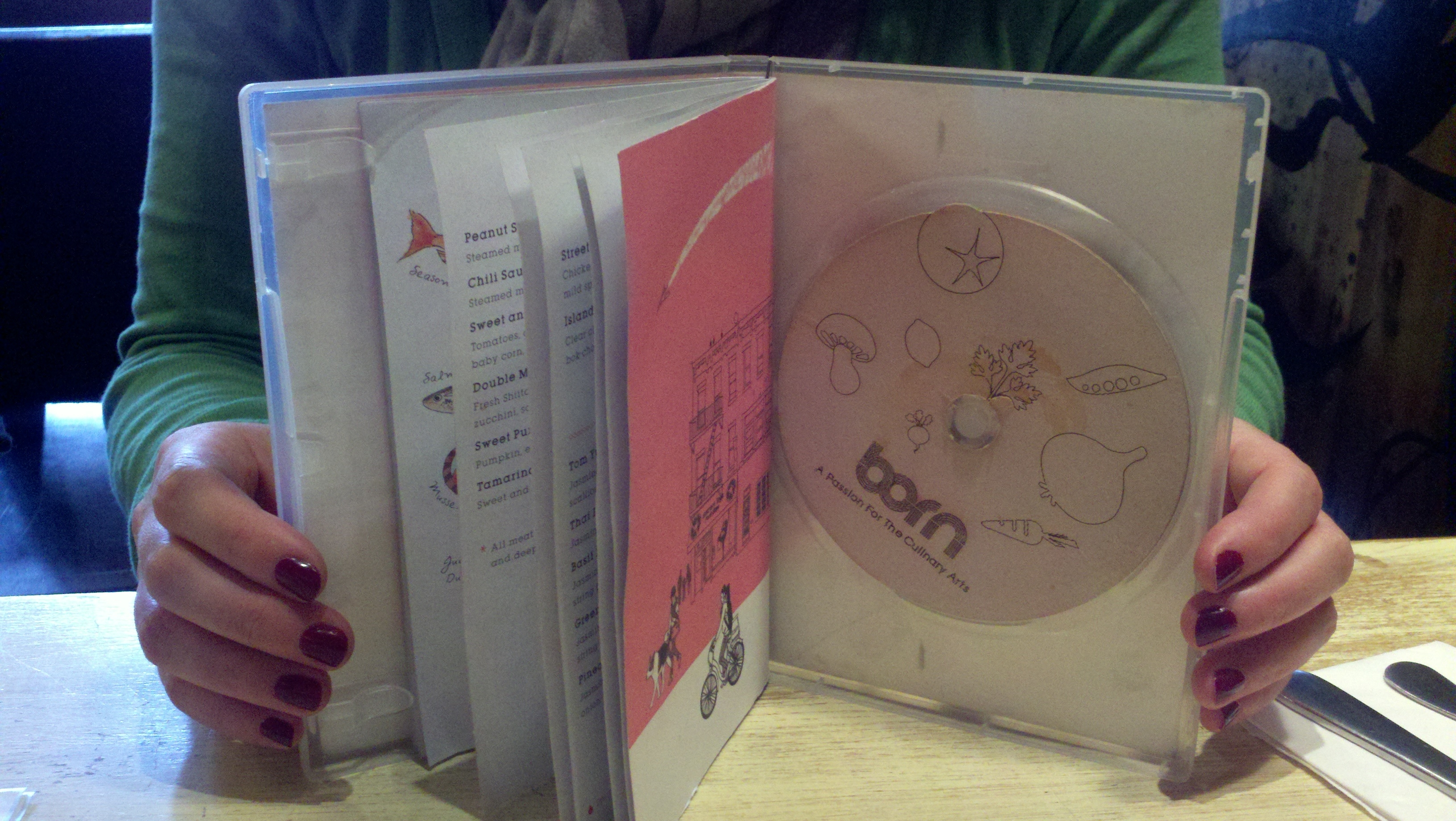
Like many New Yorkers, I’ve been fighting off a nasty cold for what seems like forever. The other day I ventured out for soup at Born Thai where the food is actually spicy (unlike most places in my neighborhood) and where the menus are adorably upcycled CD ROM cases. Tom yummy in my tummy.
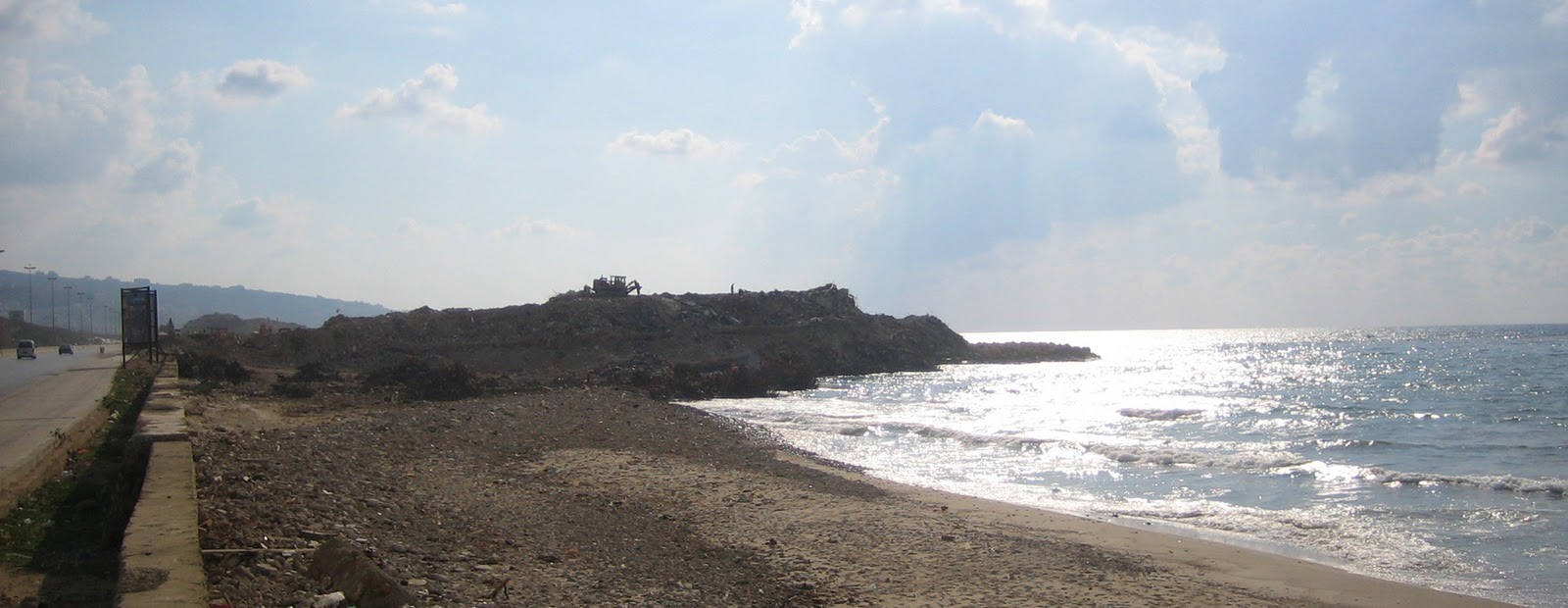
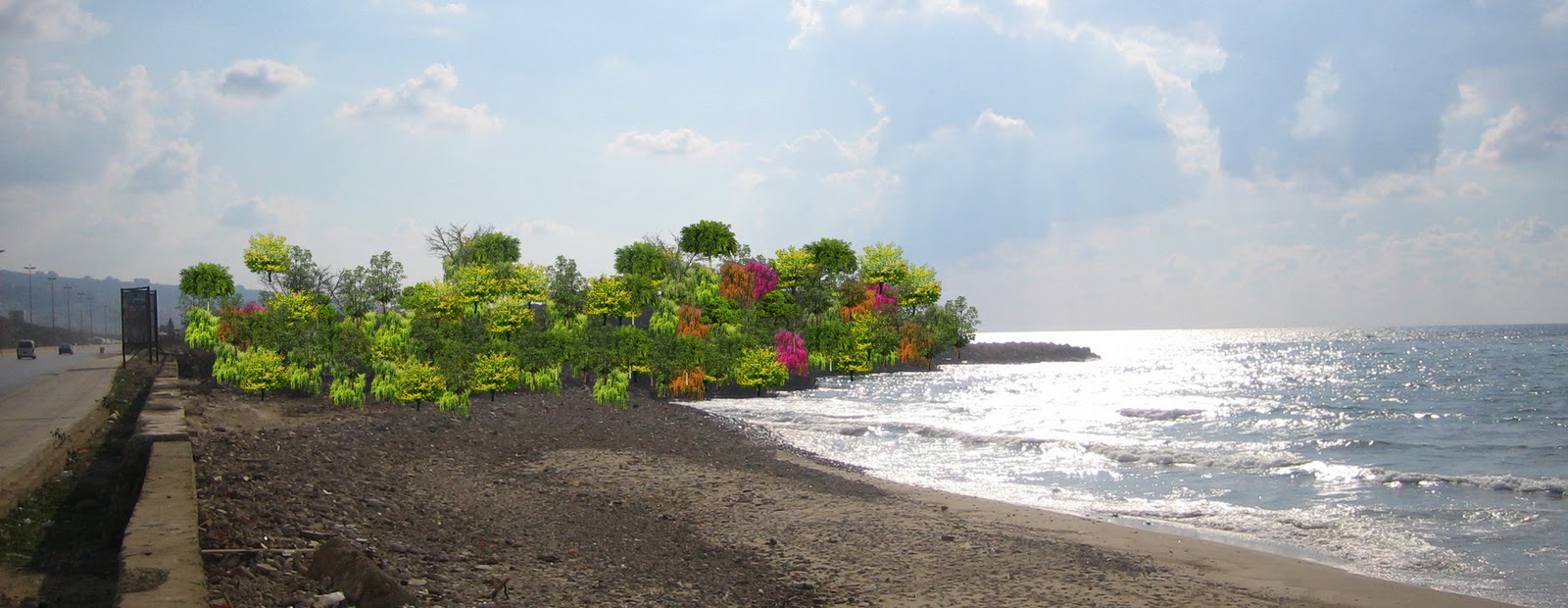
Beirut-based architect Sandra Rishani keeps a blog of her visions of what the city could be. Beirut the Fantastic posts outline proposals for upgrading and greening forgotten and unused spaces or places that have not reached their full potential. Her latest post focuses on the rubble of the 2006 war between Lebanon and Israel and how that rubble could be used to create a beautiful seaside memorial.
Before
After
What I love about the blog is that Rishani writes about what are ostensibly pipe dream projects, but breaks them down step by practical step. In this case, for example, she goes into the history of the rubble, who dumped it where, current legal ownership of the materials and examples from around the world of war rubble upcycled into public parks and memorials.
Deepest apologies for the long gap in posts. I’ve been traveling nonstop for the day job and barely have time to sleep, let alone brave slow internet connections to upload photos and information. That’s not to say I haven’t been collecting trashtastic content. For example, women who take part in income generating activities with the Kisumu Medical Education Trust (KMET) upcycle plastic water bottles as zero waste packaging for the liquid soap they make and sell.
Woman sifts base for bar soap, liquid soap bottles in the background
Woman with finished liquid soap product
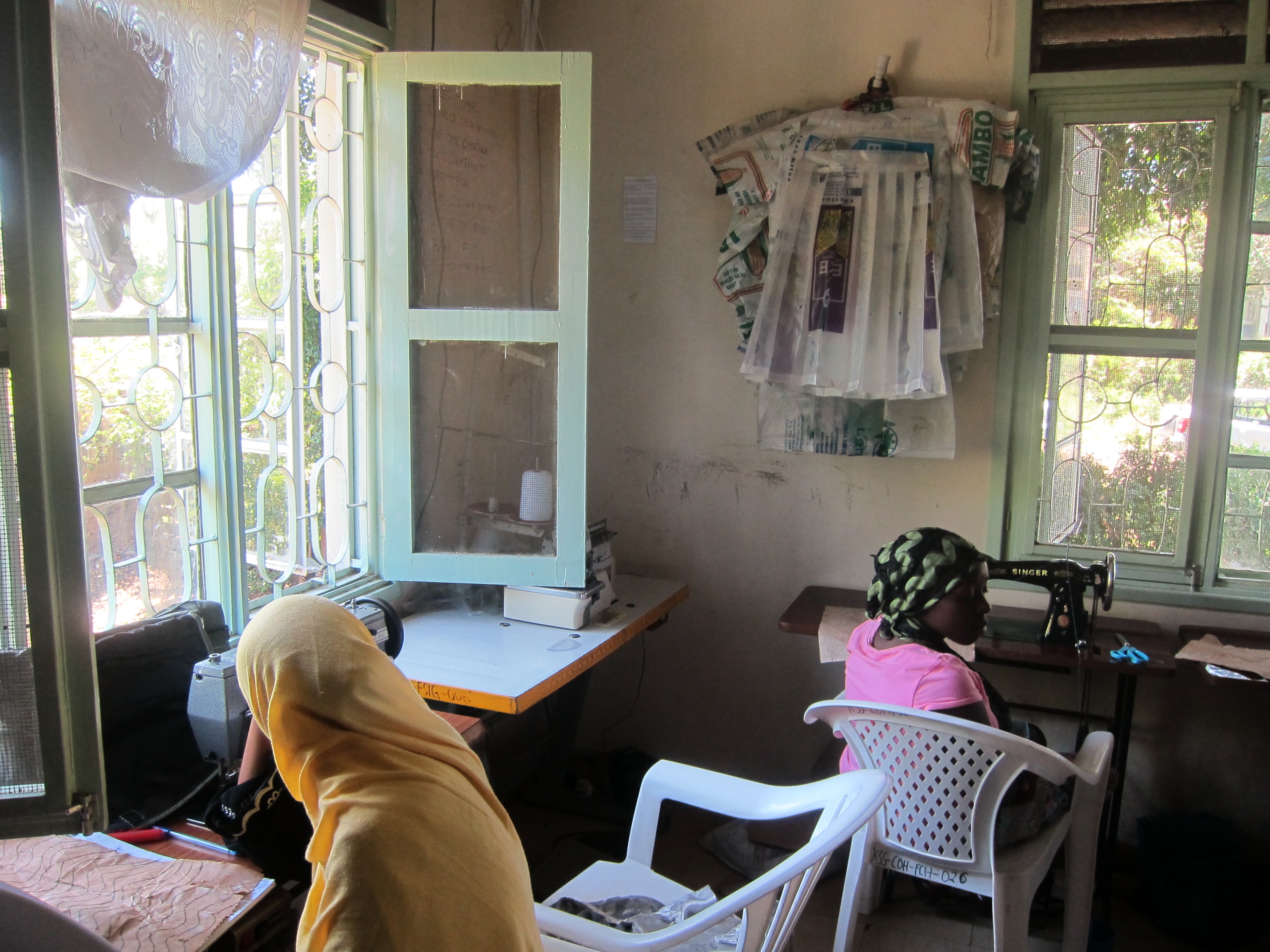
Young women training at KMET’s empowerment center learn marketable skills like tailoring. To practice, they use flour sacks and cardboard for patterns and swaths.
Young women practice stitching on recycled paper
Young women practice tailoring using patterns upcylced from empty sacks
Thanks for your patience, trashies. I’m in Ethiopia this week. Stay tuned for additional updates from East Africa.
Compost Mobile is a neat new project in Miami that matches people with food scraps to urban farmers in need of compost. The rallying call? “We want your scraps!” They are also the first ever recipient of an Awesome Food Grant. More here.
The experience, which is available to users of iPhone 4, iPad, Android and Blackberry devices, was constructed using theLayar browser, which makes use of a phone’s camera, GPS, compass and accelerometer to enhance what is seen with a layer of digital information. Users are able to view the landscape through their phone, and Freshkills Park+provides relevant information, audio, video, links and downloads in real time.
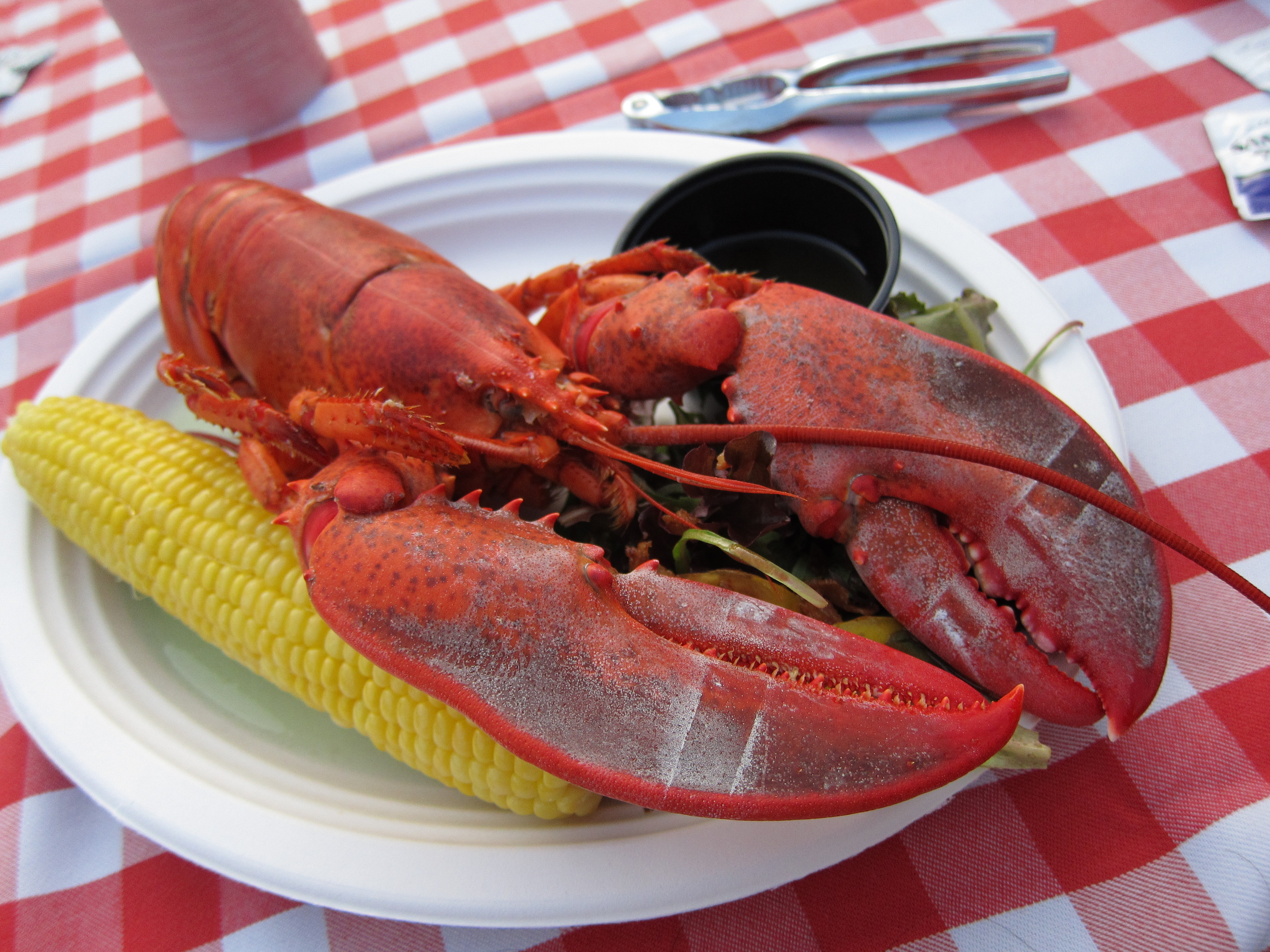
My friends Chloë and Jen got married this weekend in the most personal ceremony I have ever witnessed. The whole weekend, in fact, carried wonderful personal touches starting with a lobster bake — the one tradition shared between their diverse families.
Lobstah!
Prior to attending this event, I might have described myself as someone who knows how to eat a lobster. I’ve cracked my share of claws and tails. I know to suck and bite the smaller legs to drag out hidden bits of meat and flavor.
I was wrong. I now know I have been wasting lobster bits my whole life. Chloë has set me straight. I wish I had taken video, because I believe this woman to be the least wasteful consumer of lobster in the world and when her YouTube how-to video blows up, I wouldn’t mind cashing in on the web traffic.
Zero Waste Lobster
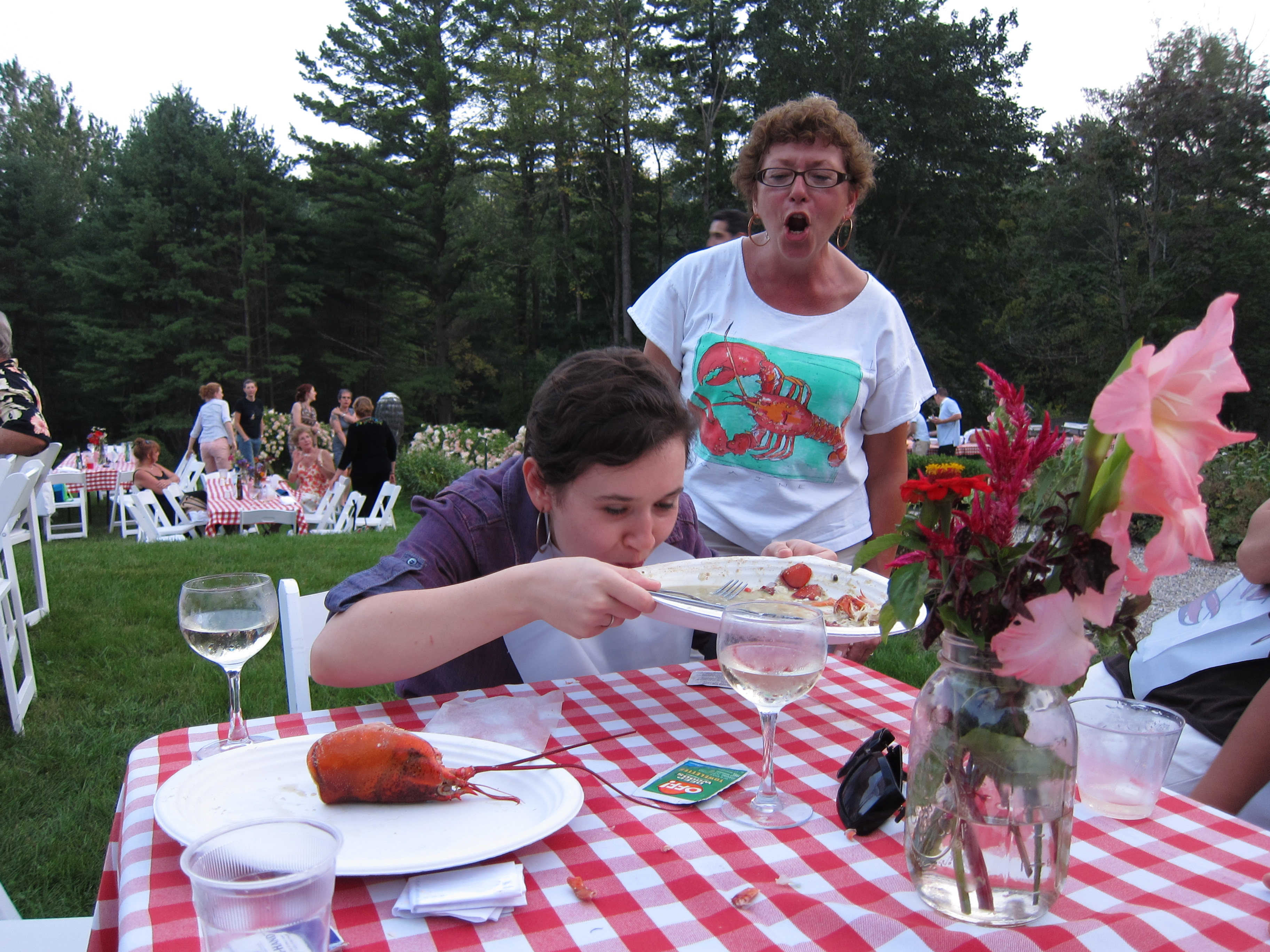
Not only does Chloë eat that weird green stuff inside the lobster, she collects the discarded carcasses of friends’ meals and scrapes up their green stuff, too. But it doesn’t end there. She then rips off the little pieces at the end of the tail and uses them as small scoops to collect the swampy water that pools on the plate when you bust open a boiled crustacean. And, if that’s not enough murky green water for her, she picks up the plate and slurps down the rest. Pictured here, the lovely bride demonstrates her technique as her approving mother urges her on.
I never realized how wasteful I have been in eating just the meat. Think of all the seafood diverted from landfills by this woman alone!
I kid, but Chloë and Jen are amazing and thoughtful women who care deeply about their friends and family and are conscientious about the environment as well.The Chuppah they stood under to exchange vows yesterday will get a second life as a trellis in Jen’s dad’s garden. I’m looking forward to anniversary photos to see what beautiful things have grown around it.
Choopah
Congratulations, Chloë and Jen! I hope you’re truly offline and enjoying your honeymoon!
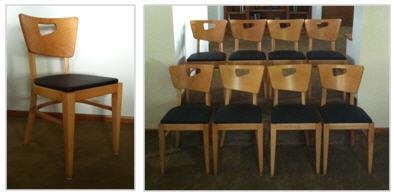
Do you follow us on Facebook? If not, you’re missing out on some of the best everydaytrash.com content: photos and comments posted by YOU, the readers. Some of my favorite recent updates have come from Al Frank in Edina, Minnesota. Al is the father of my dear friend Lindsay and (in the nearly 15 years I’ve known their family at least) always has a home improvement project in the works. Lately, he has taken to refinishing dumpstered furniture. Here are two trashtastic examples:
A national bagel store was throwing out a bunch of chairs. The next stop was the dumpster. The manager said I could have some. I rescued 8 chairs. I took them apart and refinished them. My wife, Kathy, reupholstered them. We’ll now enjoy them at our cabin in Wisconsin.
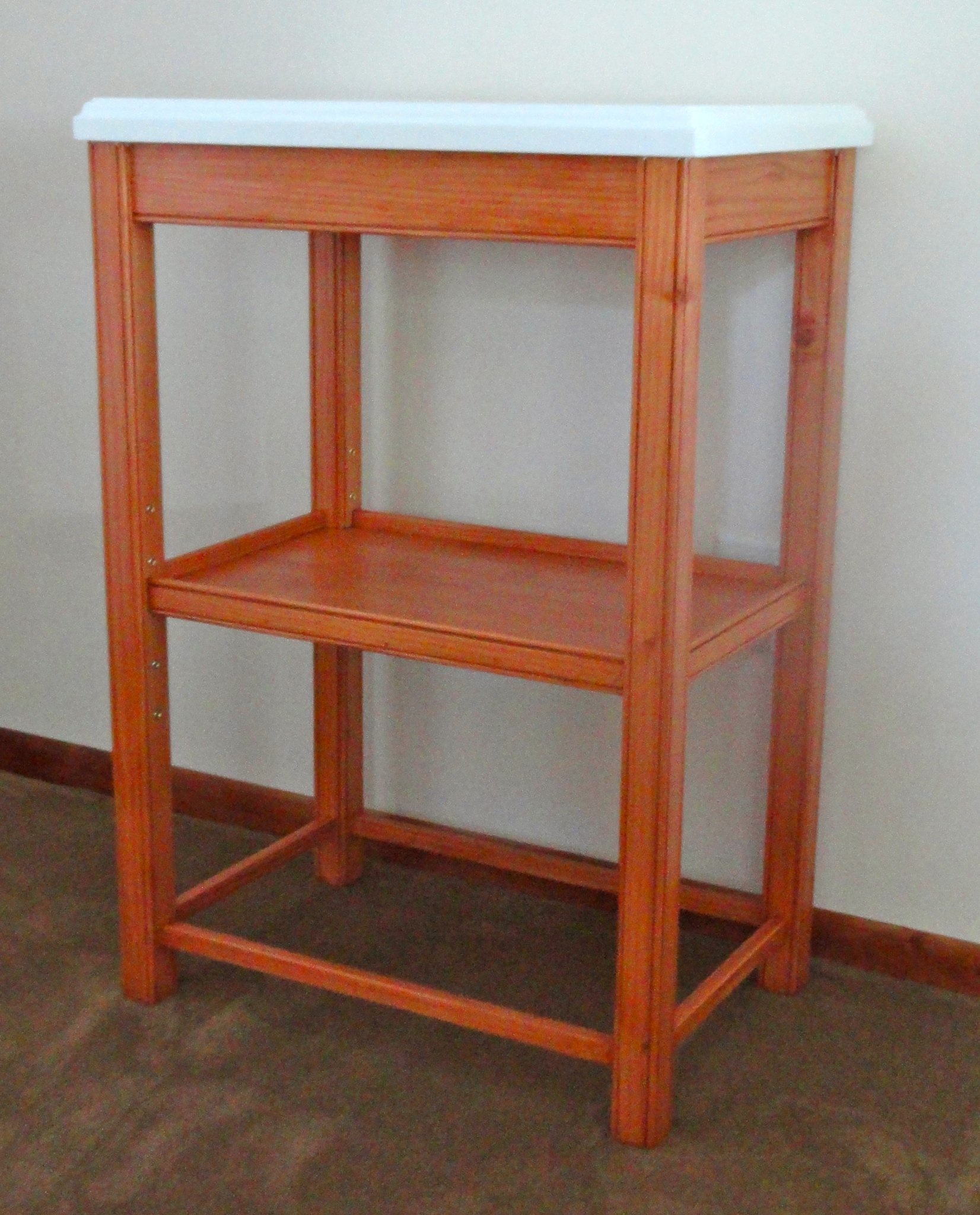
Table
I made this table from Corian and a pine beam destined for the dumpster.
Thanks for sharing, Al! Fan us on Facebook, trashies! Post your projects, Facebook fans!
Japan during the Edo period (1603-1868) faced many of the same energy and environmental resource problems that the Western world faces today—namely shit running out fast.
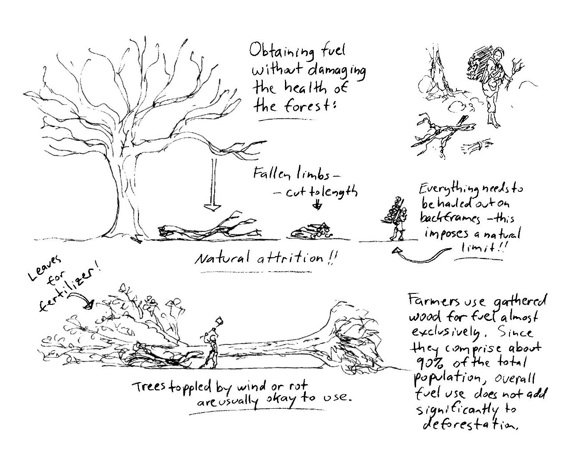
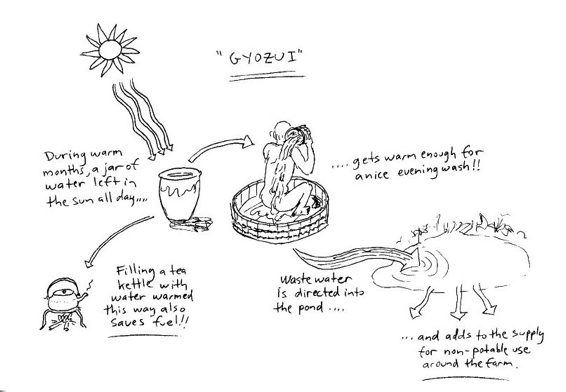
I bring this up because a friend recently lent me an interesting book on the topic, Azby Brown‘sJust Enough: Lessons in Green Living from Traditional Japan. Using emblematic stories (“They are not fables. They are depictions of vanished ways of life told from the point of view of a contemporary observer, based on extensive research and presented as narrative), Brown lays out the life of the farmer, carpenter and samurai illustrated with hand-sketched diagrams of the design and tools employed by each to live as efficiently as possible.
Wood sketch
Each of the book’s three parts begins with a description of a particular category of citizen’s life during the period in question followed by these whimsically mapped out drawings, which in turn precede short bulleted chapters on what lessons we modern folk can extract, update and apply to our present day communities. Suggestions range from plant a garden to my personal favorite: “Build homes that are inspirational.”
Bath sketch
It’s an entertaining approach to the potentially dry topic of conservation, with the soothing message just enough repeated throughout. Garbage per se comes up infrequently because the Edo days produced little waste and found new uses for byproducts. The best illustration in the book is a centerfold spread of rice production, mapping how every part of the crop is named and used including hulls upcycled into “footwear, hats, aprons, mats, bags, rope, brush and many others!!” (Exclamation points are ok if handwritten next to little pictures of rice stalks.)
For those more digital than literary, Brown taped a talk on the Edo approach at TEDxTokyo. Interestingly, it’s pretty dull. The spirit of the book is hearkening back to a simpler time, which somehow doesn’t translate well to PowerPoint. So, if you’re interested, I recommend you get your hands, literally, on a hardcover copy and flip through the pictures.
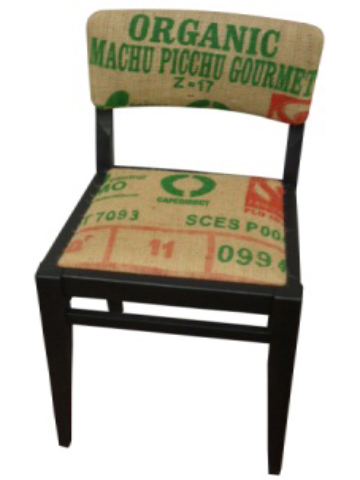
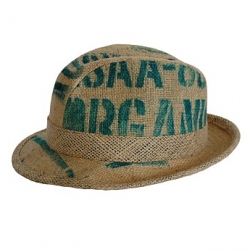
This article on upcycling as a design trend in the Ecologist made me lust after several items, chief among them this hot chair reupholstered in coffee sack.
Cafédirect
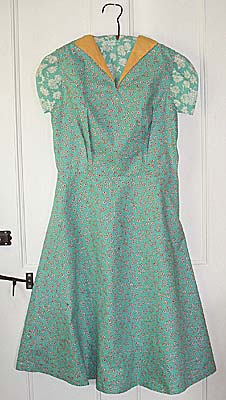
My first thought in seeing this was “I’m going to Peru next week for work. I wonder how hard it is to find cute coffee sacks.” My second: “What was the name of that sweet book I read when I was a kid about a poor family and the daughter gets so excited for a new dress made from a pretty feed sack, then is devastated when the other kids recognize where she got the fabric?”
I’ll let you know if I ever remember. Some Web searching on the subject led to some other charming discoveries, though. This feed sack dress pictured on Meme’s Corner looks exactly like what I imagined when reading the aforementioned young adult fiction and speaks to the resourcefulness of Americans in the 1930’s and 40’s when we shared a common understanding of what it meant to live on limited resources.
People were in the mode of “making do or do without”. Not only did chicken feed come in cloth bags but cattle and horse feed as well … Later burlap type bags were used and came in printed designs. Neighbors would trade feed sacks to have enough for a garment.
The full post is here, not that long and full of personal detail and photos.This “History of Feedsacks” post on Alana’s Vintage Collectibles offers a nice summary and notes:
Magazines and pattern companies were quick to see a new market and were quick to produce patterns designed to fit efficiently on empty feedsacks.
One could get easily lost in all the neat newly upcycled stuff there is out there made of vintage sacks. At $10-12 a pop, they probably cost less than a lot of designer fabric and add a little story to whatever is made out of them.
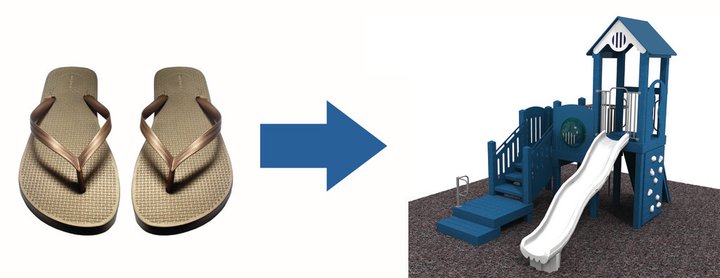
This unconsumption post on upcycled flip flops reminded me of a story I read in 2007 about Kenyan women building a giant whale out of the old slippers that washed up in their fishing villages. I recommend watching the BBC video on the project, it’s an amazing example of political art. I especially like the whale because, as I’ve mentioned here before, the flip flop jewelry and key chains I’ve seen are all overpriced and, in my personal opinion, not that cute. I do, however, love the way sun faded bits of flip flop add character to things sculpted out of them. There’s something whimsical about the material, which I think you get from the Studio Schneemann pieces in the unconsumption link; and, of course, evident in the everydaytrash.com official mascot, P.C. the Flip Flop Rhino.
P.C.
A company called UniquEco made P.C. Or rather, Kenyan women made him and UniquEco put a snazzy label on his belly and made sure he was available for purchase at my favorite women’s collective shop in Kampala. UniquEco are based in Kenya and also have a life-sized whale made from washed up flip flops, which makes me think they may be connected to the original story.
Check out this heartwarming story from Brazil. Orismar de Souza was homeless. Over the course of four years, he begged and went hungry to buy the parts he needed and put them together to build his own car, aka the Shrimpmobile. With wheels comes status, so junk parts changed this man’s life.









 everydaytrash