Archive for the ‘Trash Politics’ Category

Chris Jordan’s Midway Journey

Tuesday, February 21, 2012

Early into my trash blogging career, people started to send me links to photographer Chris Jordan‘s work, which over the years I have turned over into several posts. This latest link (thanks, Chelsea!) is a talk by the artist himself, describing how he strives to help the viewer visualize incomprehensibly large numbers, and to “make global issues personal.” Check out what he has to say about his work and what a replica of Van Gogh’s Starry Night made of 50,000+ discarded cigarette lighters has to do with the Pacific Gyre. It’s a frightening tale of the consequences of plastic. As Jordan puts it, “This is the Earth’s alarm system going off…”


A binman abroad

Sunday, February 5, 2012

A Londan binman follows his Indonesian counterpart on his rounds collecting waste and clearing gutters in Jakarta in this BBC News video.

Thanks for the link, Brendan.

City of Systems: Waste Removal

Thursday, January 26, 2012

Urban Omnibus, a project of the Architectural League of New York, has a fantastic series of blog posts and videos out called City of Systems. The final chapter, Waste Removal, came out two months ago, though I hadn’t seen it until today. Thanks, Annie, for posting it to the the Facebook page. The video features an interview with trashie icon Elizabeth Royte, who gives a brief history of solid waste management in New York and shares what motivated her to write Garbage Land, a must-read for anyone interested in trash. Back in 2007, Royte was the first author in a week-long series of author interviews we featured here called Literary Trash. Check out that interview here. Might be time to revive the theme.

Bobo-Dioulasso

Saturday, December 17, 2011

Le vieux quartier

Ouagadougou

Saturday, December 17, 2011

Nescafe cans and flip flops

Dakar

Saturday, December 17, 2011

Market, Centre Ville

Dakar

Thursday, December 8, 2011

Slave House at Gorée Island

Beirut the Fantastic

Monday, November 7, 2011

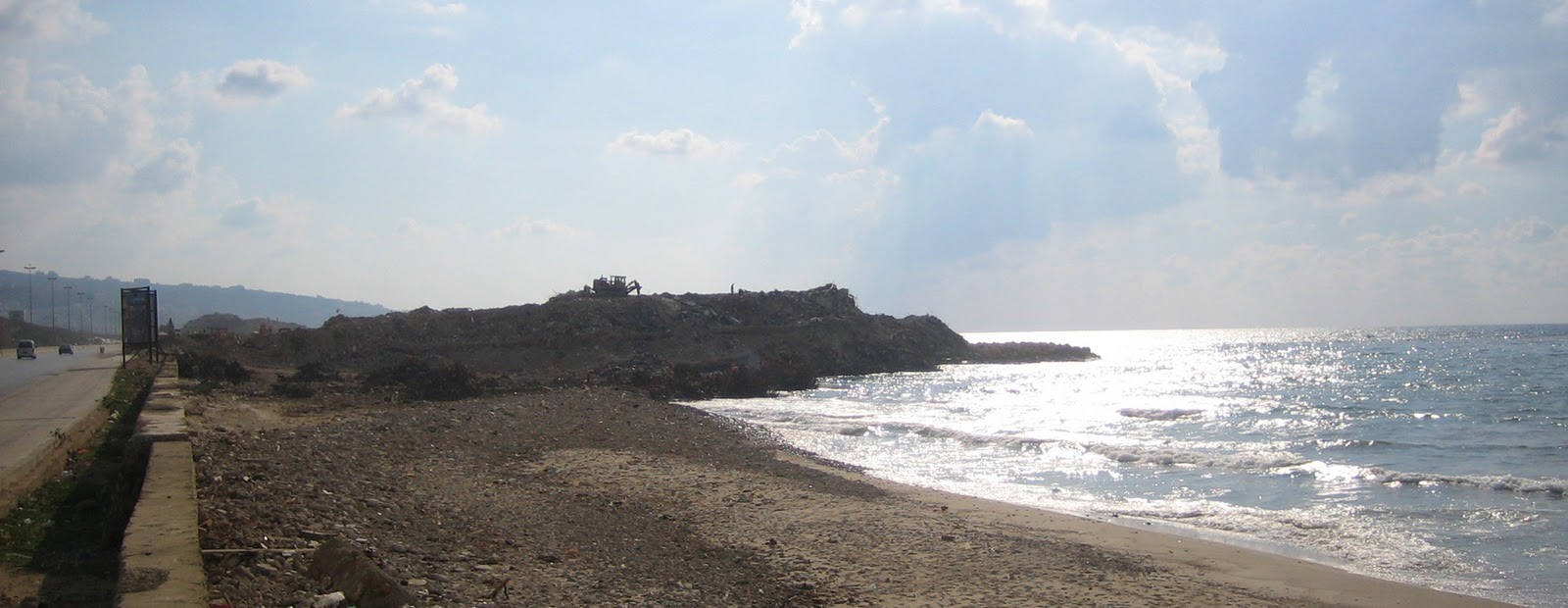
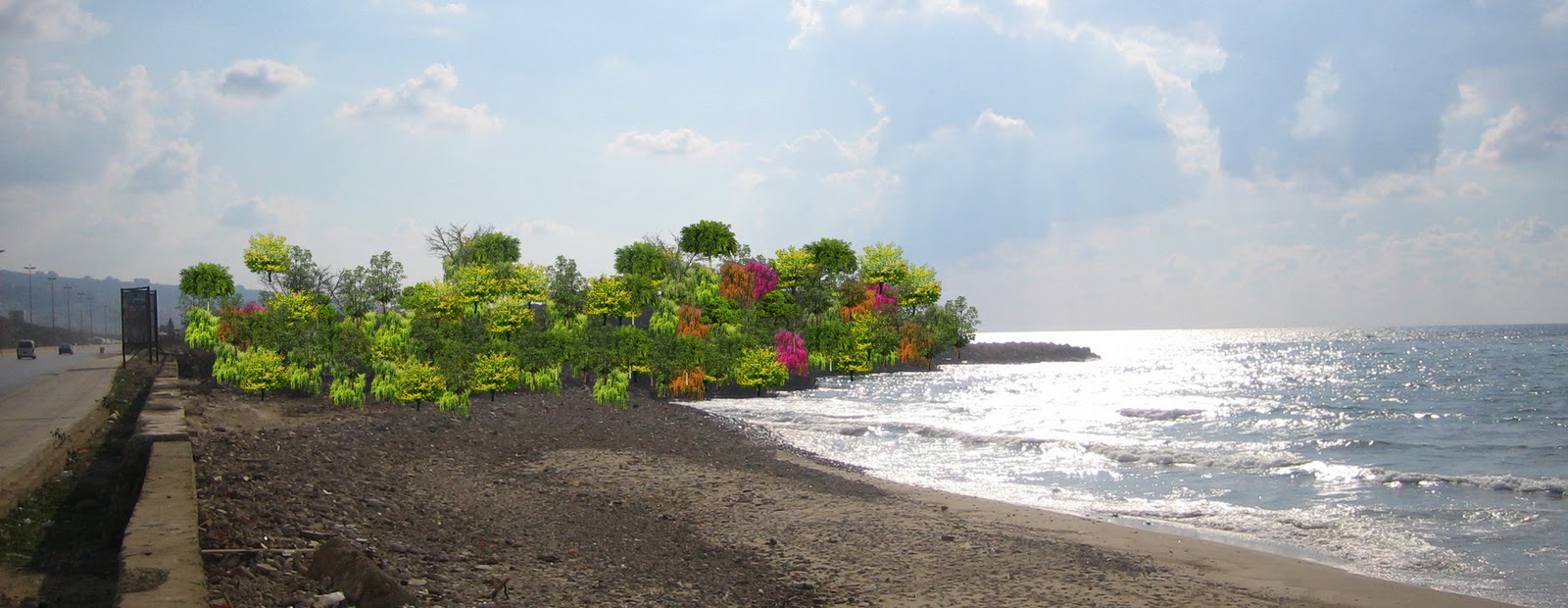
Beirut-based architect Sandra Rishani keeps a blog of her visions of what the city could be. Beirut the Fantastic posts outline proposals for upgrading and greening forgotten and unused spaces or places that have not reached their full potential. Her latest post focuses on the rubble of the 2006 war between Lebanon and Israel and how that rubble could be used to create a beautiful seaside memorial.

Before

After

What I love about the blog is that Rishani writes about what are ostensibly pipe dream projects, but breaks them down step by practical step. In this case, for example, she goes into the history of the rubble, who dumped it where, current legal ownership of the materials and examples from around the world of war rubble upcycled into public parks and memorials.

Thanks for the tip, Lucy!

Newsworthy Trash Can

Friday, October 28, 2011

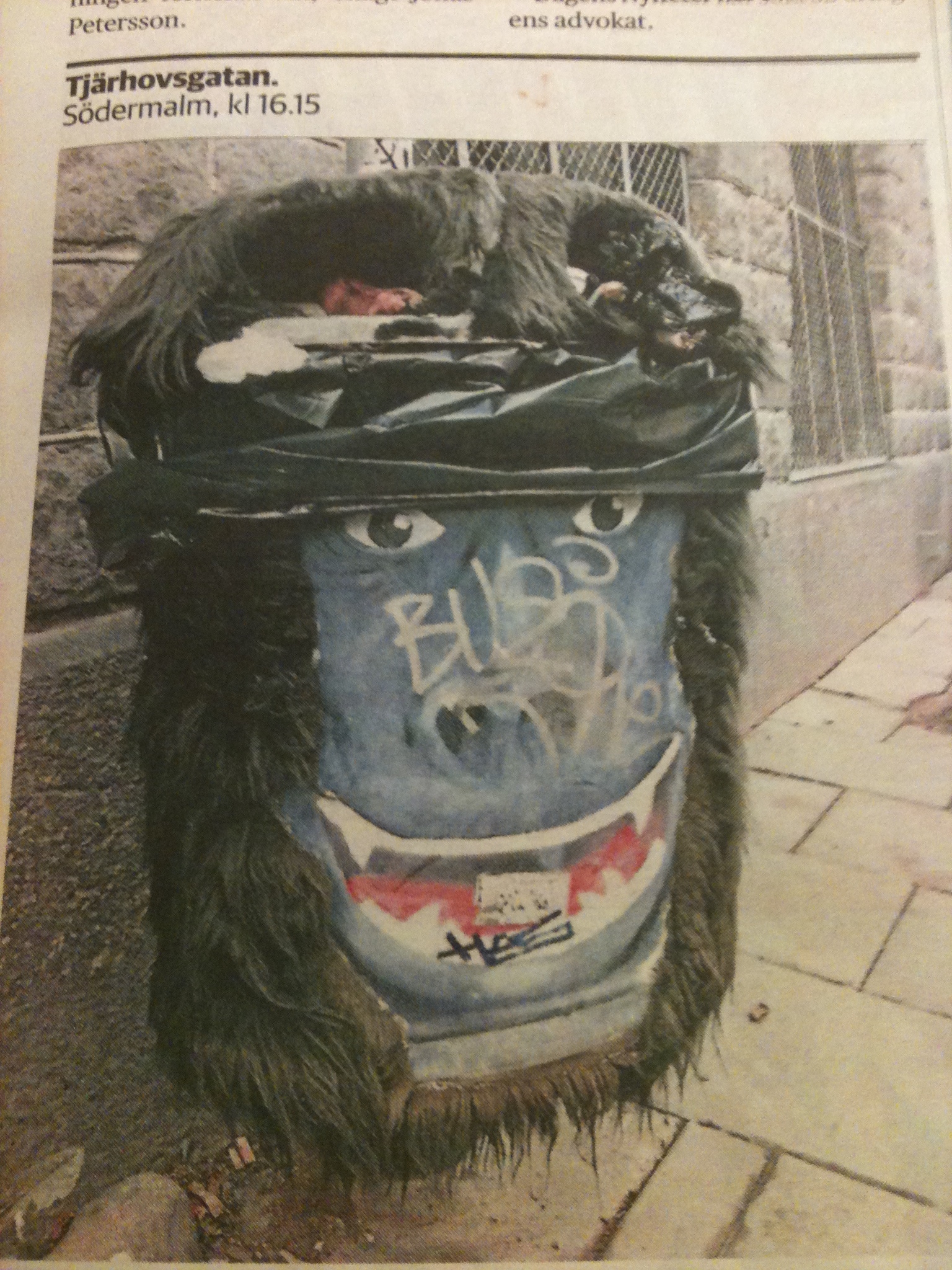
A trashtastic example of a decorative dumpster sent in by long lost contributing editor. Tack, Victor!

Decorative Dumpster in Sweden


Mundano

Wednesday, August 24, 2011

Wooster Collective posted this Familia Gangsters video yesterday. It features the work of graffiti artist Mundano who uses the wagons of cartadores (pickers of recyclable materials) as canvases for his political murals.

For a closer look at this ongoing series, check out this flickr album.

And if you haven’t yet, please immediately buy, rent or stream the documentary Waste Land. It chronicles another trash-themed Brazilian art project in which photographer Vik Muniz enlisted cartadores to help create massive portraits of themselves using recyclables picked from a gigantic dump, then sold prints to profit their workers’ collective.

Mill City Farmer’s Market

Monday, August 22, 2011

I’m in Minneapolis for the weekend visiting my mom. The weather is perfect and we’ve been biking a lot. We usually go to the big farmer’s market, which is one of my favorite open air markets in the whole world. This time, though, we popped just over the river from my mom’s place to the Mill City Farmer’s Market tucked adorably between the Mill City Museum and the new Guthrie Theater.  Minneapolis recently licensed food trucks, so like many other places across the country, street food is all the rage here. We ate some yummy tacos before browsing the Hmong vegetable stalls, Nepali momo stand, Iranian gourmet chocolate table, the cute sundress shop and all kinds of other delectable vendor offerings.

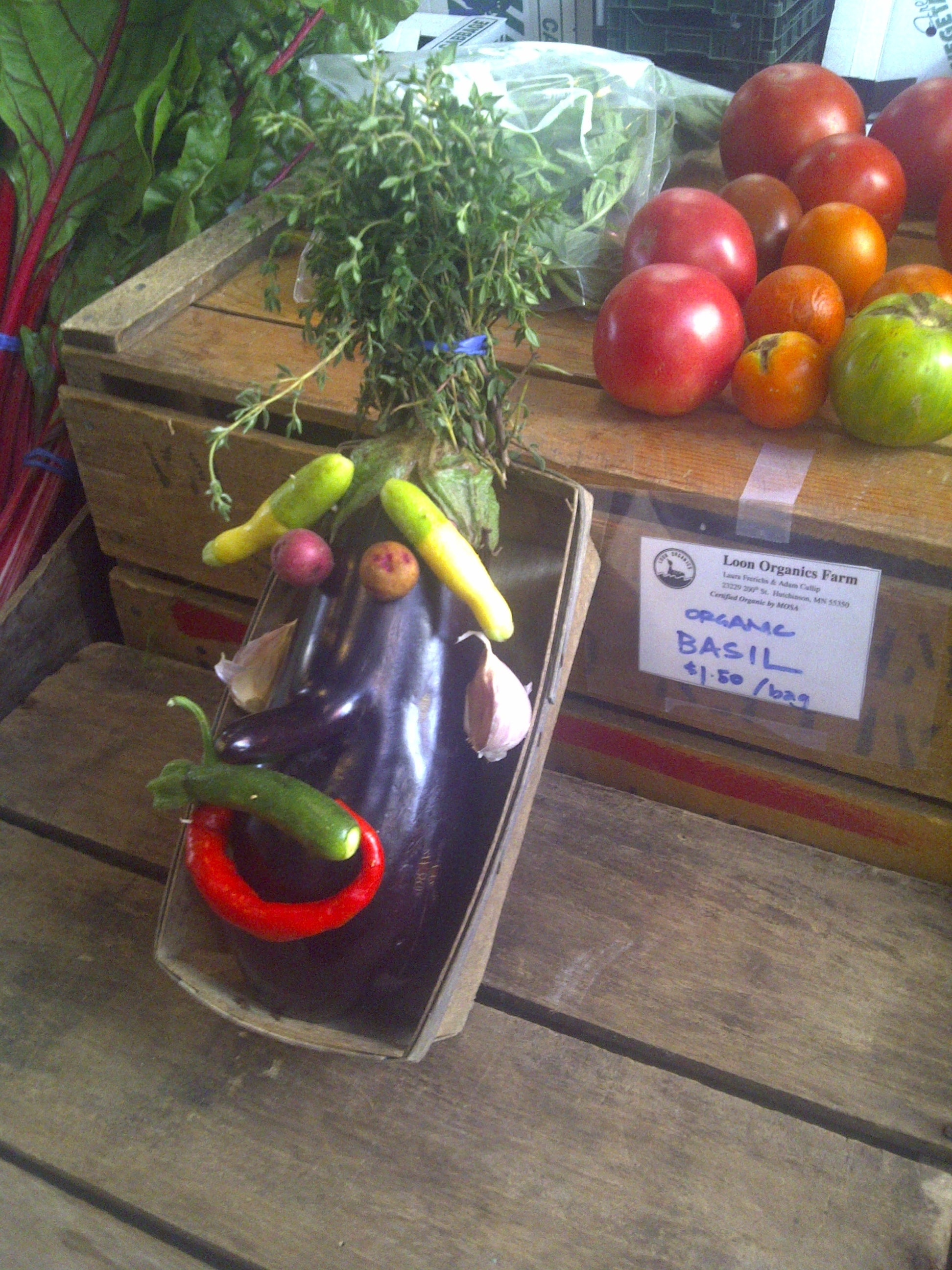
Best eggplant ever

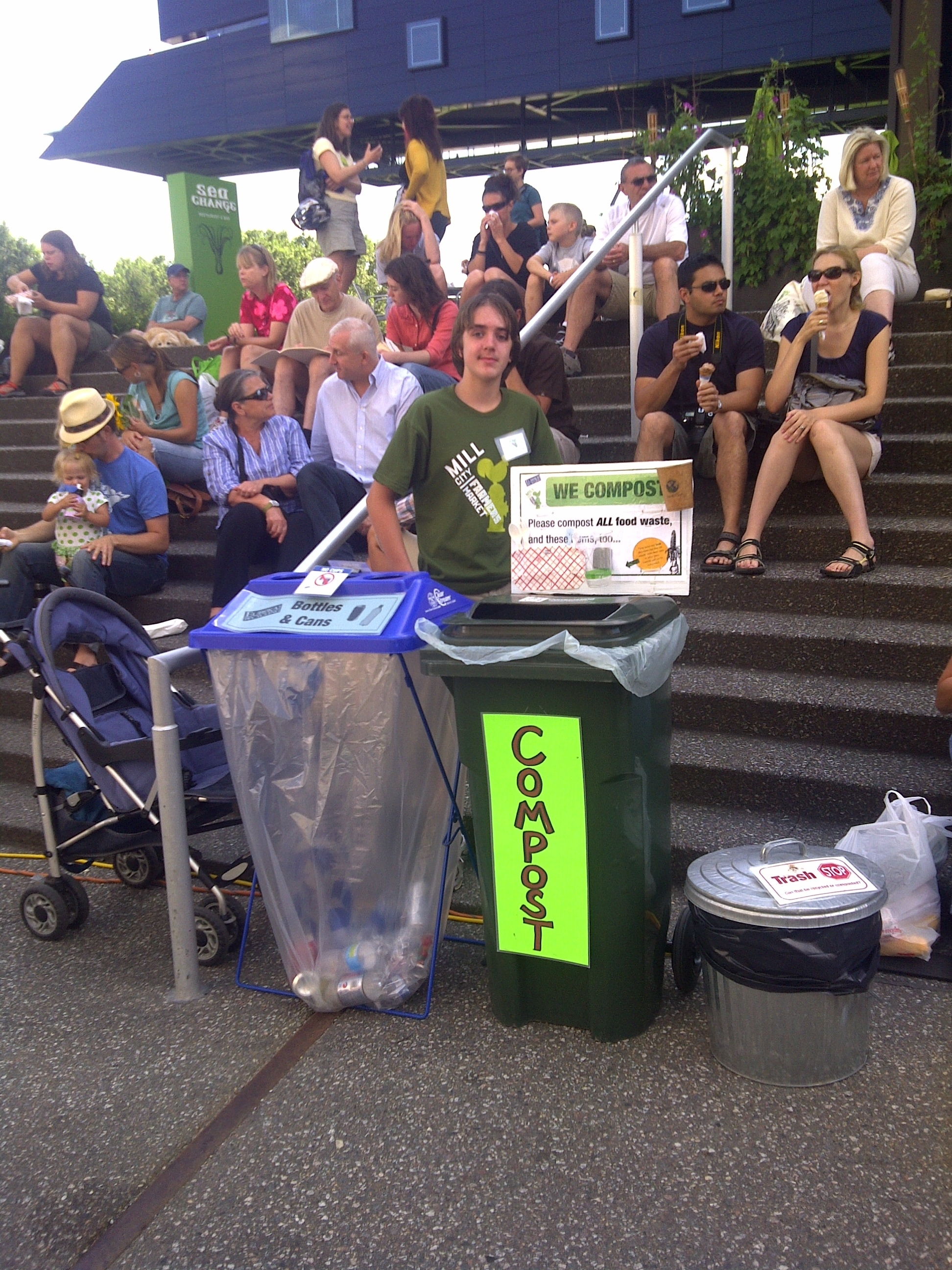
There was some live music playing and people were out in droves, sitting on the Guthrie steps to eat and listen and milling about the market. When my mom and I were done with our tacos (and, later, some ginger sorbet) we tossed our disposable packaging and utensils into one of the large compost bins prominently on display and STAFFED by local volunteers to help you decide what went into which bin.

Compost tutor

I couldn’t get over the staffed composting bins. Ours gave us a helpful lecture on why he felt composting was way better than recycling, stopping between impassioned sentences to direct the disposal of plates and cups. I love seeing the can labeled “trash” dwarfed in size compared to the other receptacles.

Recovering plunderer

Thursday, August 4, 2011

Streaming TED talks is a dangerous habit. It’s so hard to watch just one. This morning, via the TED Blog, I discovered this great presentation by Ellen Gustafson, founder of something called The 30 Project that looks at how food systems have changed since 1980 and tries to undo some of the damage.

Maybe because it’s Ramadan—a time of year when many of us across the planet are extra attuned to issues of hunger and poverty—I found her talk to be extremely compelling. In particular, she makes great links between the underlying causes of hunger and obesity and pokes holes in oversimplified responses that aim to feed the hungry.

Anyway, with the exception of critiquing canned food and canned food drives, Gustafson doesn’t get much into issues of waste and recycling. So, of course, I had to go rooting through TED vaults where I came across this talk by legendary Ray “the green CEO” Anderson. I am always skeptical of businessmen hawking good causes. And Anderson, like any other CEO has an incentive to promote his company’s public image. But I am consistently absorbed when I see clips of this guy and his near-religious passion for treading lightly.

I’ll admit, I zoned out a bit when he got too into his own math equations, but tuned right back in when he defined affluence as a means to an end, rather than the goal in and of itself. Simple, but critical framing. We don’t amass stuff just to have stuff, we do it because we think it will make us happy. See what you think.

Marine transfer stations

Wednesday, July 27, 2011

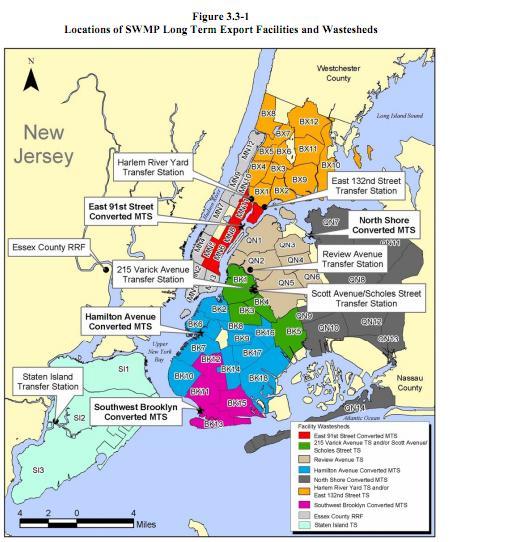
After reading this article, I dug up my city’s solid waste management plan a.k.a. SWaMP to reread this chapter and refer to the map below. More to come. Consider this a heads up, trashies. I may wonk out on you for a post or few.

Transfer points for NYC garbage

The Edo Approach

Monday, July 25, 2011

Japan during the Edo period (1603-1868) faced many of the same energy and environmental resource problems that the Western world faces today—namely shit running out fast.

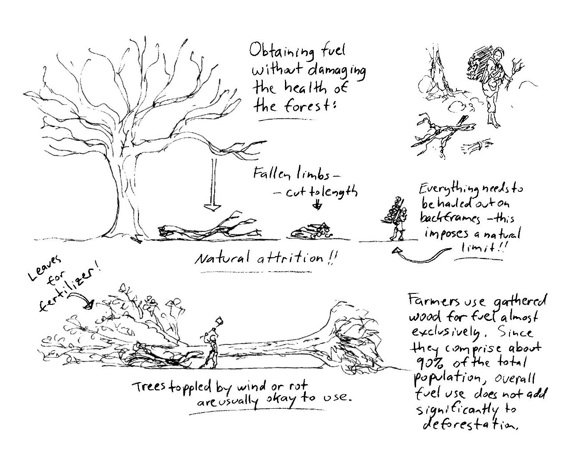
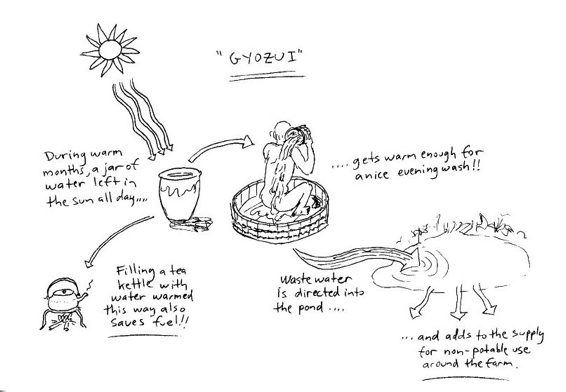
I bring this up because a friend recently lent me an interesting book on the topic, Azby Brown‘s Just Enough: Lessons in Green Living from Traditional Japan. Using emblematic stories (“They are not fables. They are depictions of vanished ways of life told from the point of view of a contemporary observer, based on extensive research and presented as narrative), Brown lays out the life of the farmer, carpenter and samurai illustrated with hand-sketched diagrams of the design and tools employed by each to live as efficiently as possible.
Wood sketch

Each of the book’s three parts begins with a description of a particular category of citizen’s life during the period in question followed by these whimsically mapped out drawings, which in turn precede short bulleted chapters on what lessons we modern folk can extract, update and apply to our present day communities. Suggestions range from plant a garden to my personal favorite: “Build homes that are inspirational.”
Bath sketch

It’s an entertaining approach to the potentially dry topic of conservation, with the soothing message just enough repeated throughout. Garbage per se comes up infrequently because the Edo days produced little waste and found new uses for byproducts. The best illustration in the book is a centerfold spread of rice production, mapping how every part of the crop is named and used including hulls upcycled into “footwear, hats, aprons, mats, bags, rope, brush and many others!!” (Exclamation points are ok if handwritten next to little pictures of rice stalks.)

For those more digital than literary, Brown taped a talk on the Edo approach at TEDxTokyo. Interestingly, it’s pretty dull. The spirit of the book is hearkening back to a simpler time, which somehow doesn’t translate well to PowerPoint. So, if you’re interested, I recommend you get your hands, literally, on a hardcover copy and flip through the pictures.
Raccoon attacks

Friday, July 22, 2011

Oh the hazards of composting. The raccoons are out in Richmond, Canada, attacking people and their pets. Especially the pets. The Vancouver Sun reports:

One theory is the recent advent of the city’s Green Can program, which encourages residents to recycle food scraps — a common source of food for raccoons.

Some believe the scraps are more accessible in the new Green Cans and more odorous than they were previously in regular garbage cans, providing a greater attraction for the raccoons.

via the Vancouver Sun

Once when I was a kid there were rumors of a rabid raccoon in our neighborhood. My mother tried to keep us from going out on our own and walked around everywhere with a softball bat. More recently, I was walking home in Brooklyn one night and saw a raccoon run down the steps into a Subway station. A train must have just arrived because it came running out a few seconds later, scared off by the small crowd of exiting passengers. I’d hate to be alone on the platform if it ever tried again!

I often wish my city collected food waste for composting. Today is not one of those times.