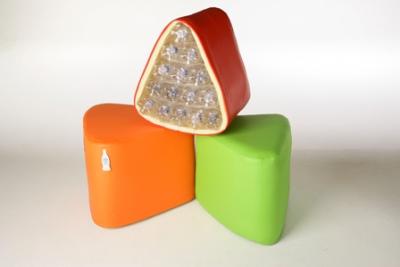
Keith R. over at The Temas Blog has been periodically updating a series of trash photos of amazing things made from garbage in Latin America. The latest installment features sofas and pouffes made from PET bottles in Brazil as part of a project called Reciclagem e Cultura or “Recycling and Culture.” Apparently what began as an upcycling (thanks for the shout out, Keith) endeavor blossomed into an income-generating business program.
PET pouffes
I highly recommend clicking through to read the whole story peppered with photos and video clips, here’s a teaser:
In part to get the waste collection going and get the raw materials they need, and in part to gain community acceptance for their Cooperativa Usina de Reciclagem, [local foundation] Onda Azul offered favela residents an exchange: bring in 75 to 250 empty two-liter PET bottles, and get a chair or pouffe (what some may call a tuffet, hassock or ottoman) made using PET bottles
….
The program proved so popular that they had to restrict the exchange to one pouffe per household. Even so, nearly every house in that favela now has one of the so-called pufes ecológicos (“ecological pouffes”).
I’m headed to Rio tomorrow night for vacation. I wonder if I’ll meet anyone with an ecological pouffe!
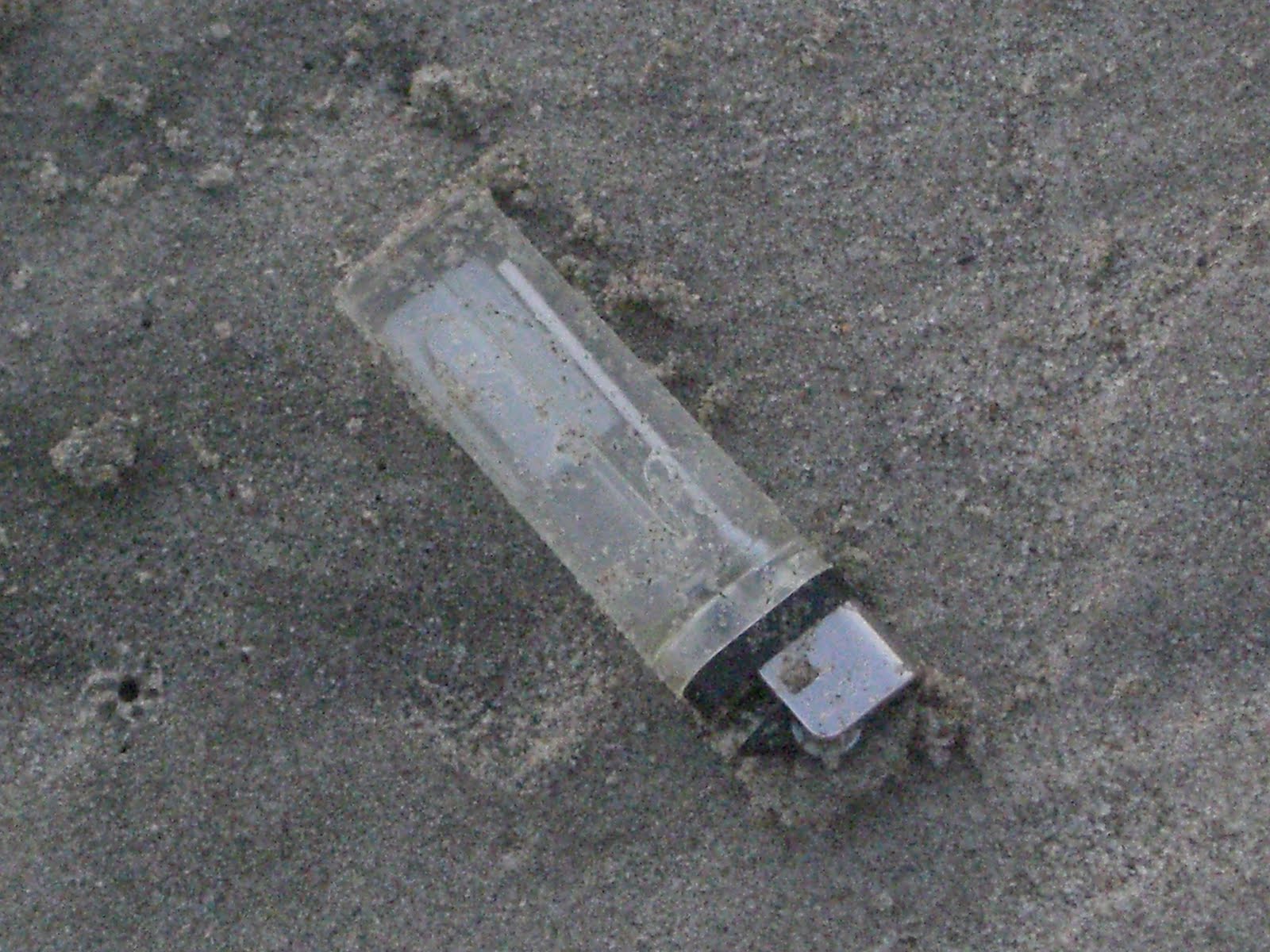
Most mornings, Sarah Bayles spends 20 minutes collecting trash around the same spot at her local beach in Santa Monica, weighs and photographs what she finds and blogs about it on her site The Daily Ocean. For more on why she does this, check out LA Green Girl’s interview with Bayles here.
Lighter via The Daily Ocean
Bayles plans to keep up the trash pick up for 365 (non-consecutive) days because you know how we love to conceptualize our environmental impact in terms of years. What I like about this project is a, there’s a new garblog in town and b, it’s a personal but not personality-driven project. The blog tracks the impact of everyone who uses that patch of beach as well as the reverse impact of the one person cleaning it up.
Last night, Victor and I and a few of our friends participated in our local pub quiz. Though we sadly didn’t rank in the top five teams, we had a great team name (Nation of Quizlam) and a great time. As it happens, an entire round of the quiz was dedicated to questions about the Federal Reserve (a challenging but usefully educational category). Our favorite question? “How does the Fed dispose of old money removed from circulation?”
Shredded money
My guess was bury it. What’s more American than a landfill? But the team overrode me and went with incinerate. When they announced the answer—bury it—we were a bit ashamed to have gotten wrong the one and only trash question of the night. At least, Vic and I consoled ourselves, we got a blog post out of the embarrassment.
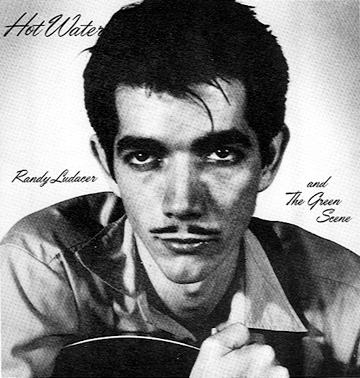
Randy Ludacer is a Staten Islander who writes songs about packaging. From 12 noon to 2pm on Saturday, September 26th, you can hear him perform these songs at the Freshkills Park site. The event is free and everyone who attends will get a free CD. Click here for more details. Though out of date, this is my favorite of the photos on Ludacer’s website. Kind of makes you want to head to Staten Island, doesn’t it?
Portrait photo by Deborah Davis for the album Hot Water, 1981
If you prefer bird calls to obscure songs written by people, the very next day Freshkills hosts a birding tour led by local naturalists. More info here.
In case you missed it, The New York Times printed an ominous and recomendationless editorial on plastic in our oceans on Wednesday. Of particular note:
Now comes what could be more bad news. A new study, announced at a recent meeting of the American Chemical Society, suggests that plastics in seawater break down faster than expected. As they do, they apparently release contaminants, including potentially harmful styrene compounds not normally found in nature.
As previously covered here, artist Kuros Zahedi likes to make stuff out of trash that other people save. His piece, Finding Away is crafted from the waste painstakingly chronicled and collected by San Franciscan blogger Ari Derfel over the course of one year.
Remember the Naples trash crisis? Photographer Gigi Cifali has an incredible series to help if you don’t. Click here to see it, it’s the box all the way to the right called “NAPLESREMAINS”. He also has some supercool shots of abandoned pools, so poke around—the artist’s bio says he was trained as a topographer but got bored staring at landscapes just to record their size.
Thanks for the tip, Jenny! I look forward to any juicy Naples trash gossip you stumble upon.
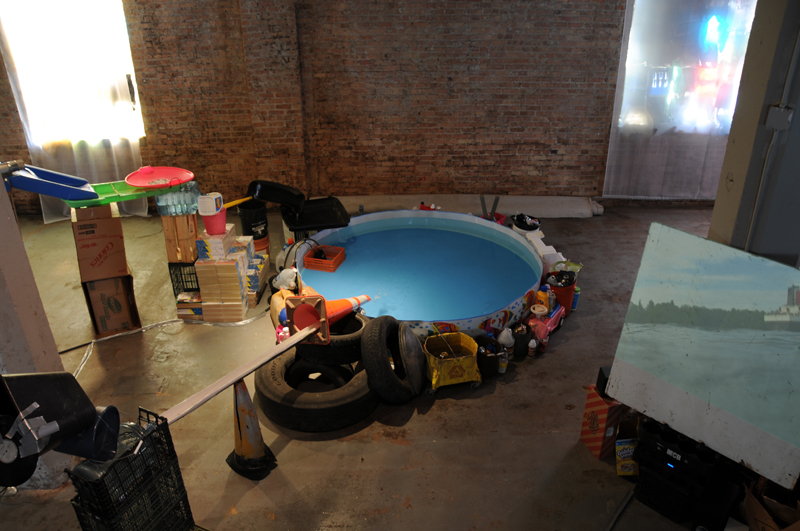
Paul Lloyd Sargent is an artist who spreads his time around New York State—from Brooklyn to Syracuse to Clayton—making “rivers” out of trash which he displays in local galleries.
Example of a "trash river"
According to Sargent, this project aims “to comment on the way we artificially manage natural waterways in the U.S. Typically I go to a community along the Great Lakes or St. Lawrence River and do some sort of official or guerrilla trash clean-up, then use the stuff I find to build an installation I call Freed: Maquette for an American River. It’s a long story as to how I got here (based on a history I share with Abbie Hoffman up on the St. Lawrence River) but that’s the short of it.”
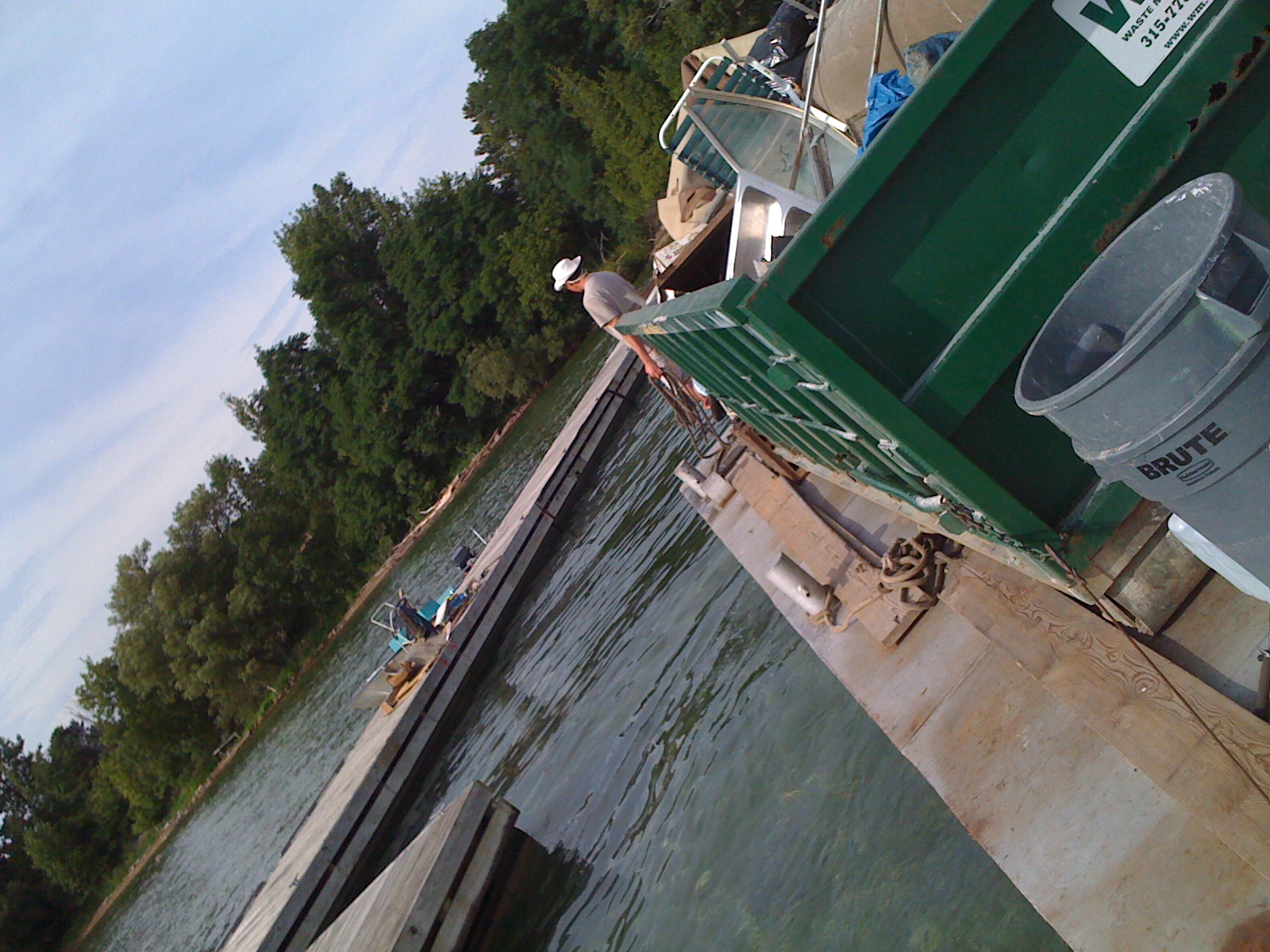
To collect materials for the project, Sargent and a “crew of river rats” navigate barges down the river, collecting trash collected under people’s waterfront homes.
River rat barge
The latest trash river will be constructed in Clayton, New York between the last week of August and Labor Day weekend. We look forward to updates on the work and its impact.
These trash rivers remind me of an installation trash artist Donna Conlon did once for which she made a river of plastic water bottles along the steps of an art museum in Costa Rica.
Thanks for the tip, Media. And thanks, Paul, for the photos and inspiration!
Captain Charles Mooreof the Algalita Marine Research Center—and discoverer of the Great Pacific Garbage Patch—shares what he has seen on expeditions to that Texas-sized mass of swirling plastic debris. Great content, a bit lackluster in the presentation.
Note the alternate subtitle in the alternating photos on her website. I wonder if the switch was hardcover/paperback change or a UK/US switch and if the latter, what that says about the way Britons versus Americans view poo.
Hardcover/UK edition
What began as “adventures” became “unmentionable.”





 everydaytrash